
Penang has long been recognized as a cultural and culinary capital of Southeast Asia. In recent years, however, the island has entered a new phase of transformation, positioning its coastal tourism sector as a strategic driver of economic diversification, urban regeneration, and international tourism competitiveness.
Penang’s marine tourism ecosystem benefits from a unique combination of natural coastal assets, UNESCO-listed heritage districts, and well-established hospitality infrastructure. Beach destinations such as Batu Ferringhi continue to attract regional leisure travelers, while integrated resort developments and waterfront regeneration projects are reshaping the island’s tourism value proposition toward higher-spending international visitors. This evolution reflects a broader shift from volume-based tourism to experience-driven and destination-led growth.
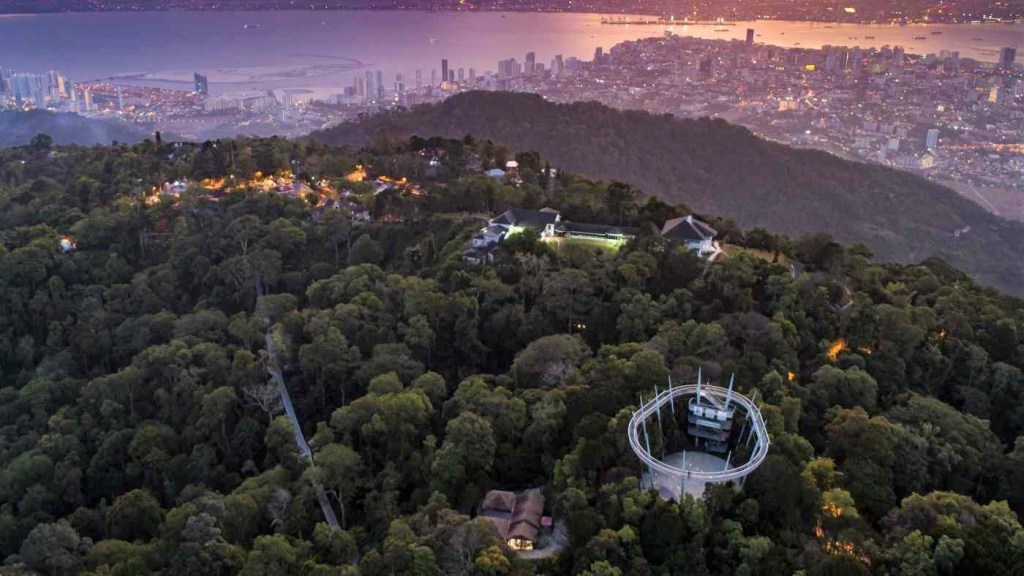
From an economic perspective, coastal tourism plays a pivotal role in Penang’s service sector expansion, supporting employment, foreign exchange inflows, and ancillary industries such as maritime services, food and beverage, and creative economies. Improved connectivity, cruise tourism potential, and sustainable coastal planning are further strengthening Penang’s position as a resilient maritime tourism hub in the northern Malacca Strait region.
Looking ahead, Penang’s coastal tourism outlook remains structurally positive. The convergence of heritage conservation, beachfront development, and sustainable marine tourism policies is expected to enhance long-term destination value while mitigating environmental and urban pressures. As global travel demand normalizes, Penang stands well-positioned to capture both regional growth and international tourism recovery through its distinctive blend of culture, coastline, and coastal urbanism.
 Susdev Group Holdings Limited